



There are founders who build companies, and then there are founders who build movements. Abhinav Pathak belongs to the rare category that does both. After scaling and eventually selling his previous venture to Amazon, the entrepreneur found himself in an unfamiliar place: stillness. What began as months of wandering through Europe without a schedule soon became the foundation of his next chapter—one that would go on to redefine India’s travel gear landscape.
Today, as the founder of Escape Plan, Pathak is leading a design-first revolution in a category long dominated by function over feeling. In less than two quarters, the brand has achieved an annualised revenue run rate of ₹350 crore, built a growing omnichannel presence, and attracted a new generation of travellers who believe their luggage should be as thoughtfully designed as the journeys they embark on.
But behind the numbers lies a more compelling story—one about curiosity, movement, and the belief that travel is far more than a destination. For Pathak, every suitcase carries memories, every airport holds possibility, and every journey is an invitation to become a slightly different version of yourself.
In this conversation with Wedding Vows, the Forbes 30 Under 30 entrepreneur reflects on life after a successful exit, the inspiration behind Escape Plan, the future of travel retail in India, and why the best ideas often arrive when you’re far away from home.
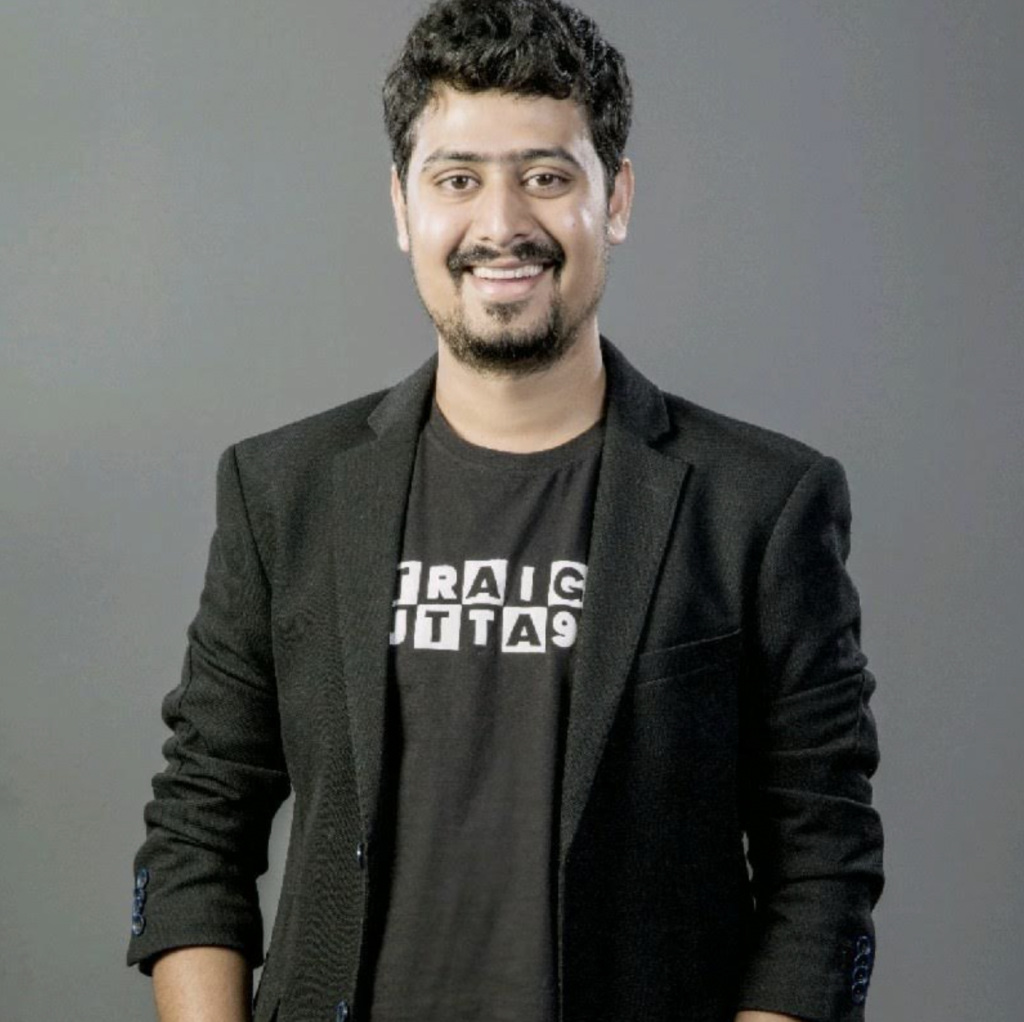
You sold a company to Amazon, then spent months wandering through Europe. What does a Forbes 30 Under 30 founder do when he finally has nowhere to be?
For the first few weeks, I was deeply uncomfortable. When you’ve spent years building a company, your identity becomes intertwined with it. Your calendar dictates your life, and there’s always a problem demanding your attention. When that suddenly disappears, the silence feels unfamiliar. But somewhere between train rides, cafés, and long walks through European cities, something shifted. I began travelling without purpose or deadlines, and that’s when I started truly observing—how people interacted with products, their cities, and the rhythms of everyday life. What I thought was a break from building eventually became the research that sparked my next venture.
Most people return from a sabbatical with a tan. You came back with a business plan. When did Escape Plan first click?
It wasn’t one defining moment—it was an accumulation of observations. But I remember standing inside a store in Milan, looking at travel accessories that were beautifully designed. They weren’t merely functional; they felt intentional. The materials, colours, and detailing reflected a lifestyle. Then I thought about the options available back home and realised there was a significant gap. Indian travellers had evolved, but the products serving them hadn’t. That disconnect became impossible to ignore.
“Design-first” is a bold philosophy in a category often overlooked aesthetically. Where does that sensibility come from?
It’s something I’ve developed through lived experiences rather than formal training. Travel sharpens your eye for detail. You begin noticing when something has been thoughtfully designed versus when it’s simply functional. At Escape Plan, design isn’t about decoration. It’s about intention. Every traveller deserves products that feel considered, useful, and beautiful. That’s the standard we’ve set for ourselves.

Escape Plan houses brands like HRX and Rare Rabbit. How do you curate such different identities under one roof?
The common thread isn’t aesthetics—it’s standards. Every brand we work with must meet our benchmarks for design integrity, quality, and relevance. HRX brings performance and energy, while Rare Rabbit represents craftsmanship and style. They speak to different consumers, but both reinforce the idea that travel gear should never be an afterthought. We’re building a curated platform, not an endless marketplace.
If Escape Plan were a destination rather than a brand, where would it be?
Lake Como on a quiet Sunday morning. It’s effortlessly beautiful without trying too hard. There’s intention behind every detail, but nothing feels performative. The people who belong there are travellers who value quality and thoughtfulness over excess. That’s exactly the audience we speak to.
Luggage is deeply personal. How does that emotional connection influence your products?
We never begin with the product. We begin with the journey. We think about what the traveller is carrying, where they’re going, and how they’re feeling in that moment. Whether it’s a honeymoon, a solo adventure, or a business trip, the bag becomes part of that story. Durability matters, but so does emotion. We’re not selling luggage—we’re enabling experiences.
₹350 crore annualised in under two quarters is remarkable. What did you understand before everyone else?
We listened to the customer before making assumptions. The market believed design and affordability couldn’t coexist. We disagreed. We also recognised that today’s consumer doesn’t shop through a single channel. They discover on social media, experience products offline, and buy wherever it’s most convenient. We built the business around that reality.
Why does physical retail still matter in a digital-first world?
Because travel gear is tactile. You need to test the handle, feel the materials, and understand the weight. Physical stores create trust in a way digital platforms can’t fully replicate. They’re also powerful brand statements. Every store communicates our vision for what modern travel should feel like.

How do you cater to both first-time travellers and seasoned globetrotters?
By building a platform rather than a single product. First-time travellers need reassurance and accessibility. Experienced travellers need innovation and surprise. The truth is, both groups want the same thing: products that work beautifully and elevate their journeys. Our job is to serve both without compromising on either.
The name “Escape Plan” feels both romantic and urgent. What are you personally escaping?
Routine. Predictability. The comfort of always knowing what’s next. Travel offers an exit from those patterns. Some of my best ideas have emerged while moving—from trains, airports, and cafés I’ve never returned to. Escape Plan is built on the belief that movement keeps you honest, curious, and open to possibility.
What has changed about building a company the second time around?
The hunger hasn’t changed. The judgment has. The first time, I said yes to almost everything. Now, I understand the value of focus. Experience teaches you that pursuing every opportunity often means building nothing exceptionally well. I’m quicker to walk away from what’s not working and more patient with what genuinely matters.
What’s the one travel product that still doesn’t exist—and should?
A truly adaptive travel system. Most luggage assumes people travel the same way every time. Real travel is messy and unpredictable. The future lies in products that evolve with the traveller—modular, intelligent, and responsive to different kinds of journeys. Whether that’s our next chapter remains to be seen, but it’s certainly something I think about often.
Closing Note
For Abhinav Pathak, travel isn’t simply about reaching a destination—it’s about remaining curious enough to keep moving. In an industry often defined by utility, Escape Plan has introduced something refreshingly different: the idea that the products accompanying our journeys can be just as intentional as the journeys themselves. And if the brand’s meteoric rise is any indication, India’s new generation of travellers couldn’t agree more.
