



Bihar, known for its rich cultural heritage and traditions, has recently garnered attention for a practice that is both alarming and regressive: Pakadwa Vivah. Literally translating to “forced marriage,” this custom involves abducting unmarried men and coercing them into matrimony at gunpoint.
The latest victim of this disturbing phenomenon is Avnish Kumar, a 30-year-old school teacher from Katihar district. On what should have been an ordinary day, Avnish was intercepted by two SUVs while traveling to his school in an e-rickshaw. A group of armed men dragged him out, beat him, and forced him to marry a woman, Gunjan, whom they claimed he had been in a four-year relationship with.
A Tradition with a Gun to the Head
Pakadwa Vivah is not new to Bihar. It emerged decades ago as a way for families unable to afford dowries to secure grooms for their daughters. However, this practice has evolved into a coercive act of violence, where men’s rights and consent are completely disregarded.
In 2024, Bihar recorded the highest number of Pakadwa Vivah cases in three decades. This resurgence raises critical questions about societal norms and the legal framework addressing such crimes.
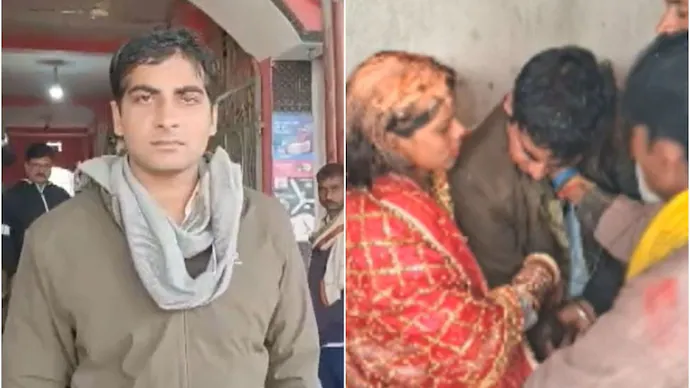
The Story of Avnish Kumar
Avnish Kumar’s ordeal began with his abduction at gunpoint. The perpetrators claimed that Avnish and Gunjan had been romantically involved for years, a claim Avnish denies. The wedding was conducted against his will, marking yet another instance where personal freedom took a backseat to archaic practices.
Gunjan, the woman in question, insists that the relationship was consensual. Avnish, however, has lodged a formal police complaint, asserting that the marriage was carried out under duress.
A Growing Concern
The increase in Pakadwa Vivah cases reflects deeper societal issues, including the stigma around dowries, the pressure to marry, and a lack of education about consent. Such forced unions not only violate human rights but also destroy the lives of those involved, leaving emotional and psychological scars.
The Way Forward
While Bihar’s government has taken steps to address Pakadwa Vivah, more needs to be done to eradicate this practice. Awareness campaigns, stricter enforcement of laws, and a cultural shift toward respecting individual choice are essential to tackle this problem.
For victims like Avnish, justice lies in the hope that their stories will shine a light on these regressive practices, sparking a conversation about consent, freedom, and the future of marriage in India.
Conclusion
Pakadwa Vivah is more than just a forced marriage; it is a reflection of societal attitudes that prioritize tradition over individual rights. It is time for Bihar, and India as a whole, to confront this practice and ensure that every individual has the freedom to choose their own destiny.
What are your thoughts on this shocking practice? Share them in the comments below.